
Summary
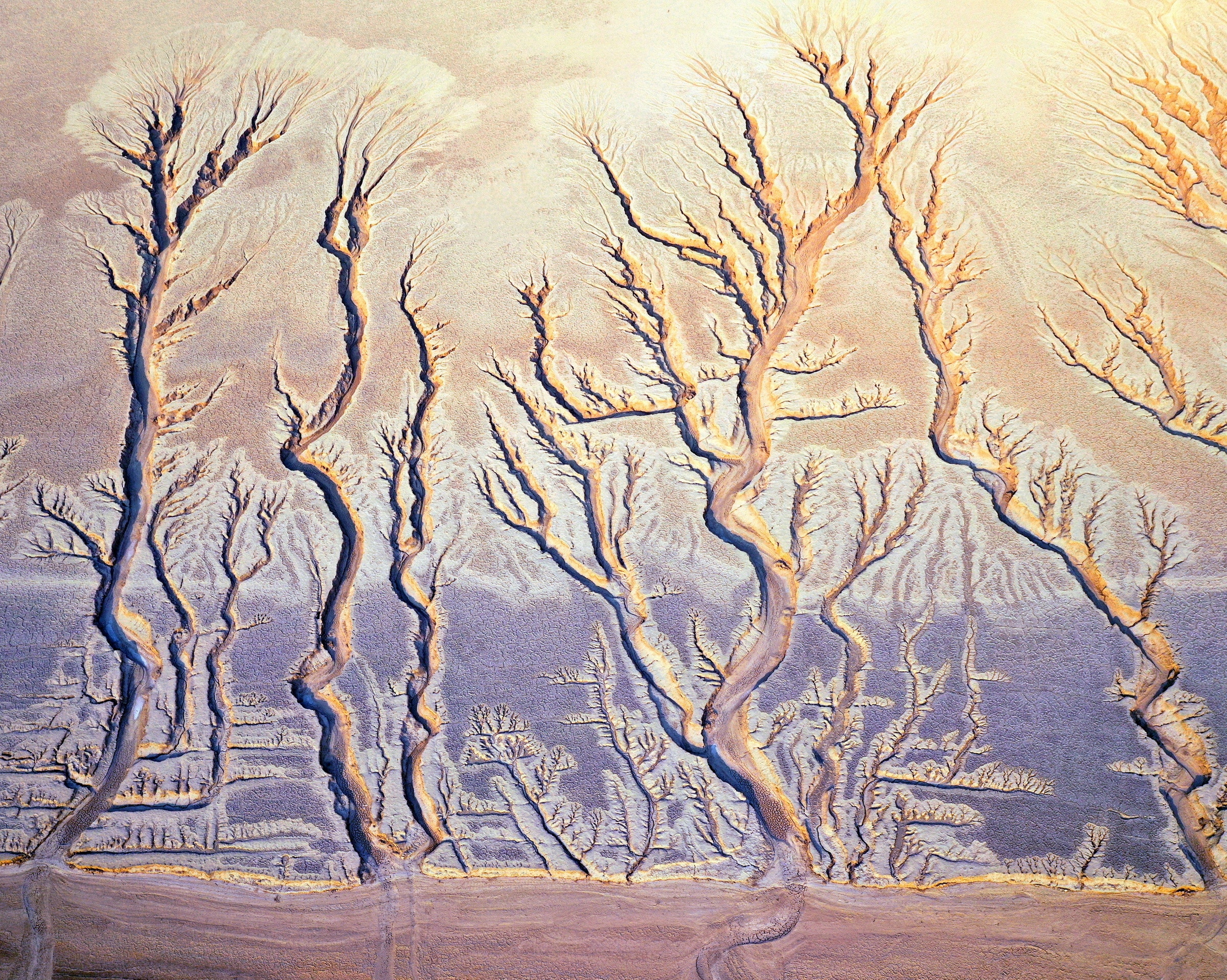
The concept of **fractals** has been a cornerstone of mathematics and science for decades, and its creator, **Benoît B. Mandelbrot**, is being remembered on the 50th anniversary of the word's inception. Mandelbrot's work on **fractal geometry** revolutionized our understanding of complex systems and patterns in nature. His legacy continues to inspire new discoveries in fields such as **mathematics**, **physics**, and **computer science**. The **Discovery Institute** has highlighted Mandelbrot's contributions to the field, and his story serves as a reminder of the importance of innovation and creativity in scientific inquiry. For more information on Mandelbrot's life and work, visit the [[benoit-mandelbrot|Benoît B. Mandelbrot]] page. To learn more about the applications of fractals, see the [[fractals|Fractals]] page.
Key Takeaways
- Benoît B. Mandelbrot coined the term 'fractal' in 1975
- Mandelbrot's work on fractal geometry has had a significant impact on mathematics and science
- The concept of fractals has far-reaching implications for our understanding of complex systems and patterns in nature
- The application of fractals to real-world problems has been limited
- The scientific community continues to debate and explore the implications and limitations of fractal geometry
Balanced Perspective
Mandelbrot's work on fractals has had a significant impact on the scientific community, but its applications and implications are still being debated and explored. While some argue that fractals have revolutionized our understanding of complex systems, others contend that their importance has been overstated. As we continue to study and apply the concept of fractals, it is essential to approach the topic with a nuanced and balanced perspective, recognizing both the potential benefits and limitations of this mathematical framework. For a more in-depth discussion of the debates surrounding fractals, see the [[fractals-debate|Fractals Debate]] page.
Optimistic View
The discovery of fractals has opened up new avenues for research and innovation, and Mandelbrot's legacy serves as a testament to the power of human creativity and ingenuity. As we continue to explore the complexities of the natural world, the concept of fractals will remain a vital tool for understanding and describing the intricate patterns and structures that surround us. For example, the study of **fractal geometry** has led to breakthroughs in our understanding of **coastline geometry** and **river networks**. To learn more about these applications, visit the [[coastline-geometry|Coastline Geometry]] and [[river-networks|River Networks]] pages.
Critical View
Despite the initial excitement and promise of fractals, some critics argue that the concept has been overhyped and oversold. The application of fractals to real-world problems has been limited, and the field has been criticized for lacking a clear and coherent theoretical foundation. Furthermore, the emphasis on fractals has led to a neglect of other important areas of research, and the scientific community would be better served by a more balanced and diverse approach to understanding complex systems. To explore the limitations and challenges of fractal geometry, visit the [[fractal-limitations|Fractal Limitations]] page.
Source
Originally reported by Science and Culture Today